
- Jersey Finance
- |20 Jul 2026
AI in Alternative Funds and the Changing Role of Advisers
24 Nov 2026
As AI adoption grows across the alternative funds industry, advisers need to understand how the information underpinning their advice has been sourced, verified and interpreted. The opportunity extends beyond faster processes: better information can support more informed decisions, provided professional judgement and accountability remain central.
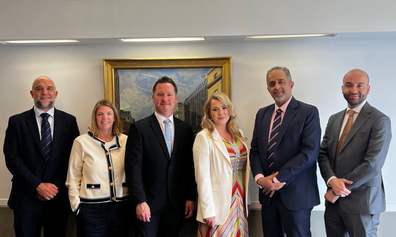
These themes were explored at our Funds Focus event in London on Tuesday 10 November, which explored building the alternative investment business of the future. Bringing together perspectives from fund management, audit, administration and independent governance, the discussion highlighted both tangible progress and the foundations needed to sustain it.
A key takeaway was that successful AI adoption depends on reliable data, demonstrable commercial value and people who understand the decisions being made.
Moving from experimentation to commercial value
The panel described a shift from individual experimentation towards a more coordinated business adoption. Initial enthusiasm for AI tools is giving way to closer examination of their purpose, cost and contribution to strategic objectives.
Matt Crill, Head of Fund Services and Head of the Jersey office, Triton, outlined applications ranging from investment research to portfolio monitoring. AI agents are helping investment professionals assemble information from lengthy reports and identify potential acquisition targets through publicly available material. Across portfolio companies, applications reflect the circumstances of each business.
He also highlighted how AI has significantly reduced the time needed to bring together accounts from different portfolio companies for valuation purposes. The practical benefit was faster access to information needed for valuations, while allowing portfolio companies to retain systems suited to their own businesses. For advisers, these examples highlight the importance of understanding how AI investment aligns with clients’ commercial objectives, including how success is measured and whether implementation, training and oversight costs have been considered. Laura Hazzard, Executive Director, Altair Partners Limited, reinforced the need for agreed metrics, clear accountability and evidence that the expected benefits justify the investment.
Understanding the information behind the advice
The discussions highlighted data quality as a key challenge for AI adoption. Fund managers, administrators and portfolio companies often use different systems, with information passing between several organisations before it reaches a board or investor.
While AI can speed up this process, confidence in the results depends on understanding how they were produced. Shaun Farley, Audit Partner, KPMG, in the Crown Dependencies, highlighted how AI-generated valuation analysis can appear credible, even when those relying on it can’t clearly explain the underlying data, assumptions or controls. A polished presentation alone therefore offers limited assurance that the analysis is reliable.
For lawyers and tax advisers, this is relevant when using financial information, transaction summaries or details of fund arrangements to inform their advice. Where AI has helped prepare that material, understanding the original sources, checking that important caveats have been retained and knowing who reviewed the output can help establish whether it can be relied upon.
Revisiting relationships with service providers
The event also explored how managers and administrators share information. Chris Patton, Head of Fund Solutions, CSC, focussed on the growing expectations for access to data through portals and connections between systems, supporting closer collaboration across the funds ecosystem.
For UK advisers working alongside Jersey administrators and boards, this creates an opportunity to examine whether existing arrangements support the way information is now used. Questions might include how data can be accessed, which organisation checks it and how corrections are communicated when several parties rely on the same information.
For advisers reviewing service agreements and operating arrangements, the practical questions include who is responsible for checking information, how errors are corrected and when material changes in the use of AI should be reported to the manager or the board. Laura emphasised privacy, cybersecurity, continuity planning and the accuracy of outputs. Boards need visibility over material changes at service providers, supported by appropriate reporting and, where useful, independent assurance.
Keeping professional judgement at the centre
A recurring theme was that delegating tasks to AI does not remove the need for human accountability. Shaun described KPMG’s approach as having a human in the lead, reflecting the importance of active direction and challenge.
For lawyers and tax advisers, that distinction is useful. Reviewing an output involves more than confirming that it reads coherently. It requires sufficient subject knowledge to identify missing context, test assumptions and recognise when further investigation is needed.
The same principle applies to board reporting. Directors need to understand where AI has contributed to the information they receive and whether an appropriately skilled person has verified it. An additional review stage offers limited comfort if the reviewer cannot evaluate the substance.
Coordinated oversight matters too. Individual productivity gains can leave businesses with overlapping tools, inconsistent sources and processes that management cannot readily explain. The panel favoured a clear business strategy supported by governance that reflects how AI is actually being used.
Developing the next generation of advisers
Automation also raises a question for professional development: how will junior employees acquire the experience needed to challenge work if technology performs more of the initial preparation?
The panel’s examples did not point simply towards reduced recruitment. Instead, speakers described changing expectations, greater investment in AI skills and opportunities for employees to spend more time interpreting results and engaging with clients.
For legal and tax practices, the implication is to make that learning deliberate. Junior advisers still need to understand underlying documents, calculations and commercial relationships. Coaching can then help them interrogate AI outputs, investigate exceptions and explain conclusions with confidence.
For Jersey’s funds industry and the UK advisers working alongside it, the opportunity is to combine specialist expertise in fund management, administration and governance with more effective use of technology. Closer working together can help turn faster information flows into better informed decisions and a more responsive service for managers and investors.
To learn more about Jersey’s fund offering visit our dedicated funds page.
Topics
Related Insights

- Jersey Finance
- |13 Jul 2026

- Jersey Finance
- |8 Jul 2026
- Jersey Finance
- |31 Jul 2025

- Jersey Finance
- |19 Jun 2025

- Jersey Finance
- |1 May 2025

- RBS International
- |25 Mar 2025

- RBS International
- |19 Mar 2025

- Altum
- |30 Jan 2025