Jersey and Africa: A Strategic Partnership
Protecting and growing capital in an uncertain world
16 Apr 2026

Key takeaways from this report
Gain insights on:
- The report demonstrates how Jersey has distinguished itself as an international finance centre (IFC) and how structures support South African private wealth preservation, intergenerational succession planning and philanthropic impact. It also highlights Jersey’s role as a preferred domicile for Africa-focussed private equity, venture capital, infrastructure and private credit funds led by South African sponsors.
- On-the-ground accounts and case studies from Jersey and South Africa firms across private banking, fiduciary services, fund administration, legal advisory and regulatory services illustrate how this partnership drives not only growth in their respective financial sectors, but also contributes to job creation, financial inclusion, sustainability, women’s empowerment and infrastructure development across Africa.
- Importantly, the collaboration extends beyond capital structuring. Through governance training, anti-money laundering, capacity-building and professional services partnerships, Jersey contributes to strengthening institutional standards and regulatory resilience across African markets reinforcing investor confidence and long-term sustainability.
- As Africa’s capital needs expand in development and innovation, infrastructure, digital assets, energy transition and impact investment will become increasingly vital. As such, the Jersey-South Africa corridor is well positioned to scale. Together, they form a strategic bridge between global capital and African opportunity, enabling responsible, long-term prosperity in a reconfigured global economy to future-proof the structures and institutions for the next-generation. South Africa, with its sophisticated financial services industry has consistently become attractive to global firms setting up outsourcing centres and its quality of life is a drawcard for individuals considering South Africa as a second home.
- Foreword
- Jersey: An Anchor of Stability and Certainty in a Volatile World
- An Enduring Partnership for Economic Prosperity
- A Global Solution for South African Private Wealth
- Jersey Funds Expertise Supporting South Africa’s Financial Sector
- Governance and Regulation
- ESG, Impact and Women’s Empowerment
- Conclusion
- Our Contributors
Jump to
Foreword

Jersey: An Anchor of Stability and Certainty in a Volatile World
An Enduring Partnership for Economic Prosperity
Annual global capital allocation of US$1.5 trillion
Gateway to UK, EU and global capital
Top 10 FATF MONEYVAL compliance globally
14,000 financial services professionals
Consistently ranked best IFC by Citywealth
Tax neutral
A Global Solution for South African Private Wealth
£1.14 tn
of capital administered by the sector, supporting £126 bn of global GDP via Global Value Chains (on average annually between 2017 and 2020)
1,250+
members of STEP (as at 21 January 2025)
470+ foundations
formed since the Jersey Foundation was launched in 2009 (as at March 2026)
Key insights from STEP Johannesburg roundtable
At a private wealth roundtable hosted by STEP and sponsored by Standard Bank in Johannesburg in October 2025, the discussion explored:
- How wealth planning is evolving as families operate across multiple jurisdictions
- The practical challenges of compliance within an increasingly complex regulatory landscape
- The growing influence of next-generation priorities such as ESG and impact investing
It was also noted that South African families with wealth now tend to be highly multi-generational. A common challenge highlighted by participants is that descendants, who are often beneficiaries, make personal decisions about domicile, study or working abroad without fully understanding the tax and legal implications for their family structures. As such, while establishing an offshore trust is fairly straightforward; maintaining its effective operation over many years has become more complex but this can be mitigated through regular governance meetings between families and their advisers.
Another notable change observed is how many South African families now choose to stay in or return to South Africa. Offshore structures are still used to safeguard capital and manage risk. However, funds are increasingly allocated locally for daily living and investment, even creating a local branch or a subsidiary of a foreign company where a foreign trust owns the shares. This hybrid model introduces new planning dynamics.
Structures must now serve two purposes: maintaining offshore resilience and supporting local financial realities. As the country increasingly begins to be seen as a geopolitical safe haven, many foreign individuals are also choosing to retire there. Contributing factors include changes to the UK’s non-domicile regime, US citizens relinquishing citizenship or green cards and shifts in European civil law jurisdictions. Many are also attracted by South Africa’s climate, lifestyle and cost advantages.
These migration trends have created new planning opportunities for professionals, especially in residency planning, asset structuring and cross-border compliance. These trends will, however, require regard to global regulatory standards and anti-money laundering initiatives have reshaped the financial and fiduciary landscape. South Africa, through a combination of external pressure and internal legislative changes, has been reoriented more closely with international standards. Finally, a lively discussion noted that the next-generation has mainstreamed ESG and impact investing, also presenting new challenges and opportunities for trustees and advisers.
To support Jersey’s financial services sector, Barclays has established a dedicated fiduciaries team focussed on meeting the financial requirements of TCSPs incorporated in Jersey.Greg BarclayHead of Fiduciaries Barclays UK and Crown Dependencies
The challenge
A South African client needed to seamlessly integrate their private banking and fiduciary financial requirements through close collaboration across our platforms. The client’s dedicated private banker, who travels regularly to South Africa to meet with the client and his family, initially supported their personal banking needs by arranging a mortgage for a UK property. During these discussions, the client referenced a relationship with a TCSP provider for trust‑related matters in Jersey.
The solution
The private banker outlined Barclays established working relationship with the TCSP and subsequently introduced the client to the fiduciary team in Jersey. The team provided expert guidance and efficiently established the required trust accounts and financial solutions aligned to the client’s requirements in collaboration with the TCSP. This example demonstrates how Barclays delivers coordinated, holistic solutions, ensuring clients are supported across every aspect of their financial affairs through a joined‑up, client‑centric approach.
The challenge
A South African family was returning to South Africa from the United Kingdom, with the parents based in South Africa and the children remaining abroad. They needed a solution to harmonise and protect their assets while ensuring liquidity across interjurisdictional platforms.
The solution
Standard Bank helped the family implement a new structure that allows for succession planning and ongoing distributions to beneficiaries, while engaging fully with engaged tax and legal advisers. In-house Standard Bank trustees supported the service offering by providing both professional trustee services and full administration, meanwhile, Standard Bank Jersey provided banking services both to the structure and the individual family members.
Trusts, foundations and company structures deliver against these objectives as they provide strong governance, privacy, reporting, administrative efficiency, neutrality and longevity.Paul DouglasCo-founder and Managing Director, Accuro
The challenge
A charitable project in Kenya, the purpose of which is to protect a particular species of animal in the region, required a financial vehicle to administer both the trust and the family.
The solution
Accuro supported this objective in its capacity as trustees of a Jersey trust. The beneficiaries of that trust include members of a family and this project. These family members are actively involved in the project helping support the day-to-day management of the project. The Trust provides funding, accountability and reporting to this family. Trust assets are invested in public markets and a fixed amount of the income from these investments supports the project. The family get immense joy and pride from being involved with this project and the Jersey structure enables them to take comfort from the fact that the funding and governance will remain in place across the various generations of that family. In recognising the ambitions of such families and to ensure Jersey remains a destination for impact and sustainable investments, Jersey’s Financial Services Regulator (JFSC) intends to bring in a framework covering sustainability related risks and business integrity risks, providing such families with further comfort that Jersey remains “open for such business” over the long-term.
Having a trusted partner who understands both the commercial realities of African markets and regulatory expectations of global financial centres becomes essential to achieving stability, continuity and long-term prosperity.Chad PhilipsBusiness Development Director, Suntera
The challenge
A highly successful South African family, founders of a significant real estate group, sought a sophisticated structure to consolidate their wealth, support long-term succession and enable expansion into new African development opportunities as the business matured and the next-generation began assuming operational roles.
Client objectives
The family required a solution that would:
- Protect multi-jurisdictional assets held across South Africa, sub-saharan Africa and emerging offshore markets
- Provide a transparent, internationally credible governance framework
- Ensure efficient long-term succession planning and intergenerational wealth transfer
- Support inward and outward investment flows into African real estate and infrastructure
- Enhance the ability to attract global capital partners
The solution
- World-class governance and regulation
- Access to highly skilled professionals across administration, governance and fiduciary services
- Jersey’s stability, tax neutrality and track record in supporting emerging market investments
- Structural flexibility
The structuring solution: A Jersey-based governance and holding structure was established for the family incorporating a Private Trust Company (PTC) to centralise oversight:
- Allowing senior family members and independent professionals to sit on the board
- Multiple trusts and underlying holding companies to ringfence different asset classes, project risks and family interests
- Clear succession and governance protocols, giving the next generation structured roles while preserving stability
- A transparent compliance and reporting environment, enabling credible engagement with potential international partners and ESG-aligned investors
This structure created a stable and internationally recognised platform through which the family could expand their African footprint and channel foreign capital into large-scale projects.
The challenge
An UHNW South African individual needed to restructure their existing philanthropic structure and establish a new global philanthropic structure, including the preparation of a detailed philanthropic constitution setting out the client’s significant philanthropic aims.
The solution
Bedell Cristin assisted the client with the vetting and selection of advisers and officers of the client’s philanthropic structures as well as the drafting of highly bespoke constitutional documents to establish various philanthropic vehicles (including a Foundations (Jersey) Law and various Trust (Jersey) Law) to achieve the client’s philanthropic goals.
Jersey Funds Expertise Supporting South Africa’s Financial Sector
Jersey is not only an excellent choice for private wealth structuring, but as a fund domicile it has much to offer South African fund managers and there are significant benefits in using a Jersey structure for marketing to South African and foreign investors.Nienke Malan Partner, Carey Olsen
The challenge
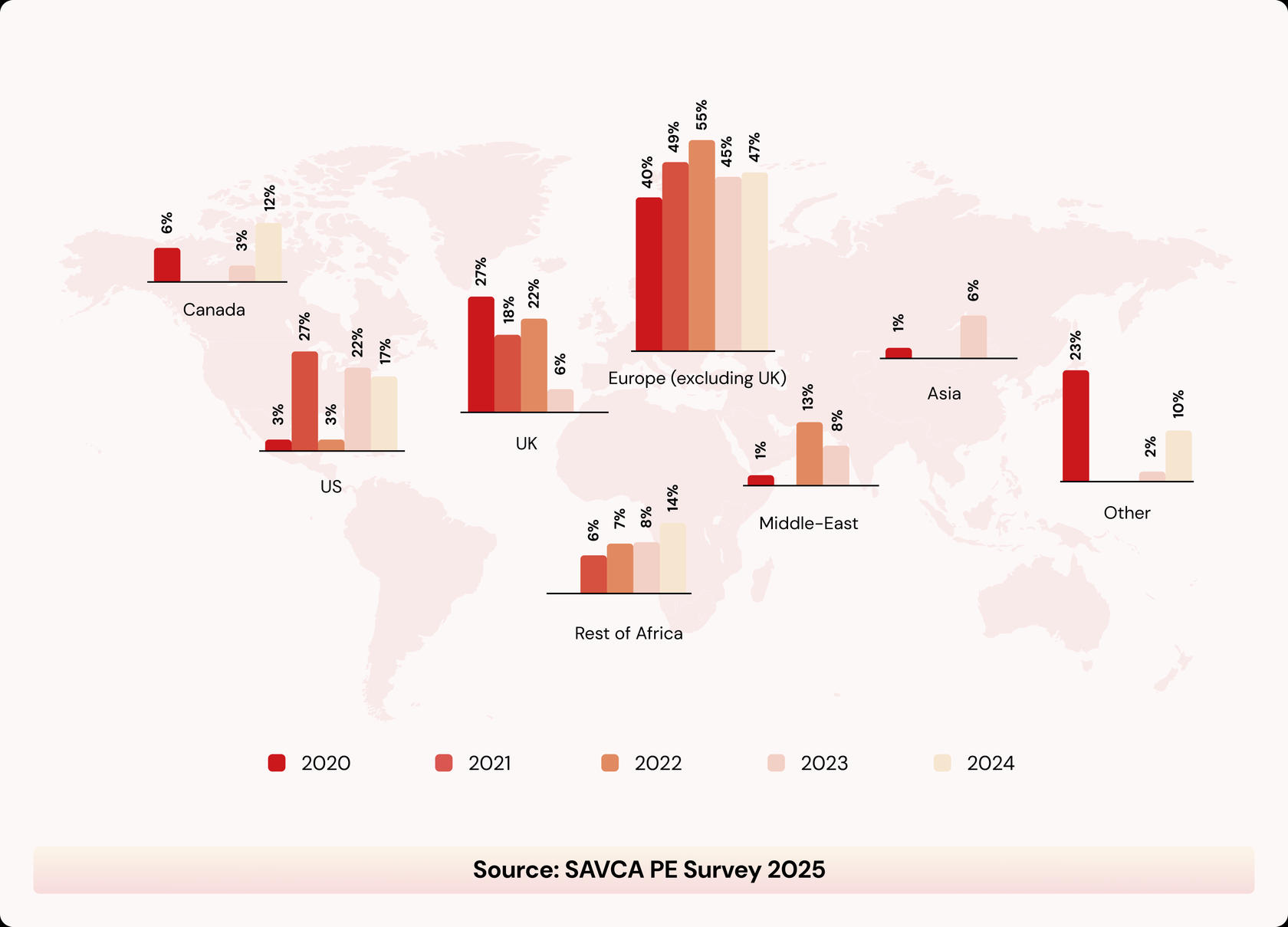
Carey Olsen was mandated by a South African fund manager who needed support in structuring a vehicle that could manage both the domestic regulatory environment and the practicalities of cross-border fundraising into Europe, the UK, the US and the Middle East.
The solution
Carey Olsen worked alongside South African tax counsel to ensure that the Jersey vehicle was optimised for South African investor participation and met the foreign business establishment requirements, where applicable. The tax exemption for South African investors investing in a “foreign business establishment”; which meets the requirements of section 9D of the South African Income Tax Act 58 of 1962 has helpfully been analysed and confirmed in the July 2024 judgement by the highest court in South Africa, the Constitutional Court, in Coronation Investment 10
Management SA (Pty) Limited and Commissioner for the South African Revenue service [2024] ZACC 11.
The team’s extensive experience in advising on Jersey Private Funds (JPFs), enabled the manager to establish the structure quickly while maintaining appropriate governance and investor protections.
The challenge
Knife Capital (Pty) Ltd, a leading South African VC firm, wanted to establish and launch Knife Capital Fund III which raised US$100 million focussed on strong innovation-driven B2B tech companies globalising Sub-saharan African technologies or facilitating international ventures into Africa.
The solution
Ogier advised on the structuring of Fund III to comprise a Jersey limited partnership with a Jersey general partner and separate Jersey manager which co-invests alongside a separately managed South African limited partnership. The Jersey limited partnership is structured as a JPF which is also an AIF and the Jersey manager is the fund’s AIFM for the purposes of marketing to EU-based investors. Investors in the fund include the IFC, AfricaGrow, international development funders and prominent family offices.
The challenge
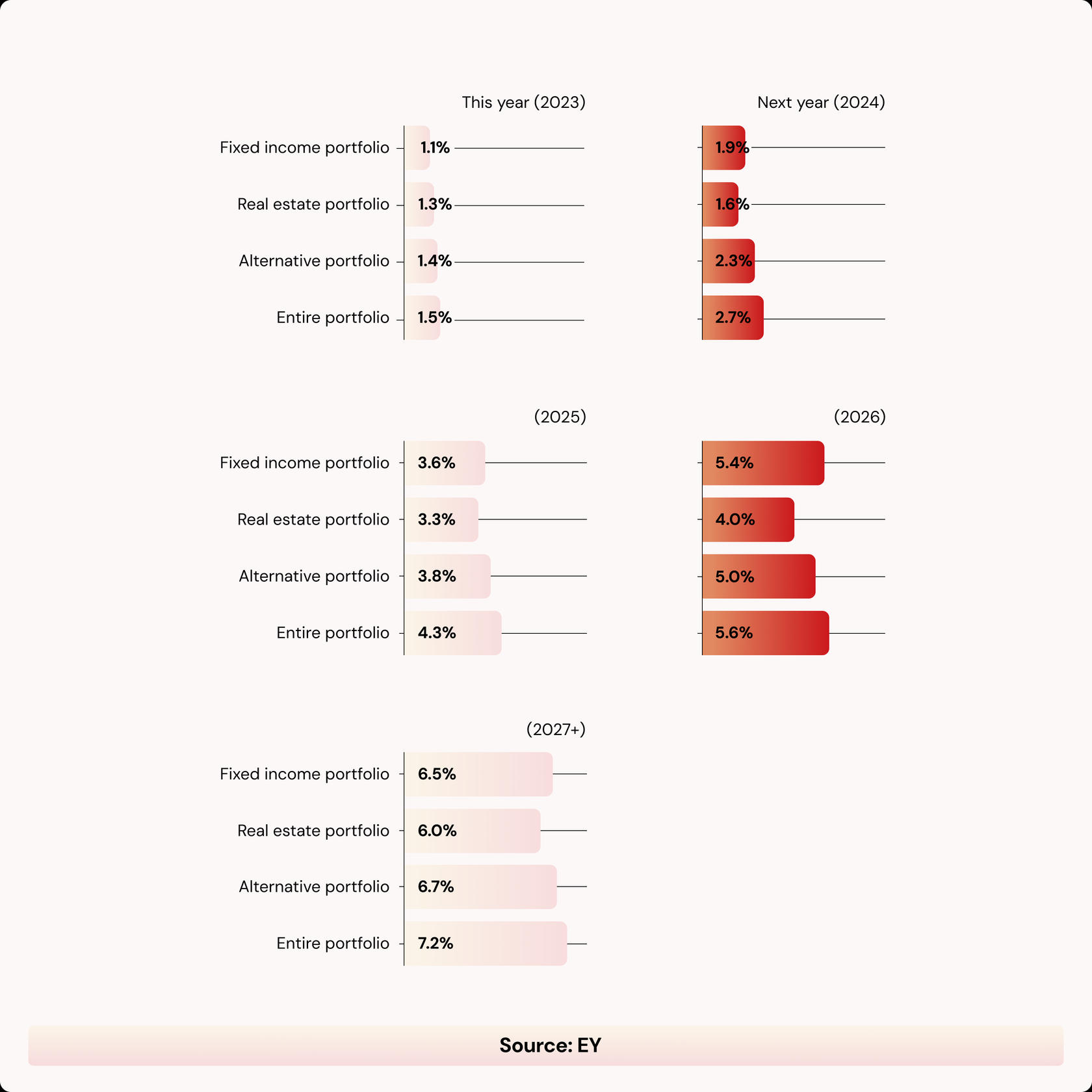
Since its establishment in South Africa more than 11 years ago, JTC has played a fundamental role in deepening the country’s financial sector and driving economic development.
JTC has seen digital assets gain momentum on the continent and globally. Private capital is fuelling the next wave of growth in this sector, driving innovation in tokenisation, institutional infrastructure and new investment vehicles. While allocations to digital assets remain a small percentage of overall portfolios, the volume of private capital flowing into these investments has grown significantly as institutional acceptance continues to strengthen. The convergence of digital and traditional investing is expected to accelerate, particularly as regulatory frameworks, investor demand and technology platforms mature. JTC provides comprehensive services to digital asset portfolios with more than US$2.5 billion assets under administration, supported by a dedicated team in both Jersey and South Africa.
Its strong presence across these jurisdictions has helped it build an excellent reputation for expertise and reliability in servicing this growing asset class. By continually monitoring and adapting to industry shifts, JTC ensures its operational practices remain best-in-class, allowing clients to focus on what matters most: growing their portfolios and unlocking new economic opportunities.
The solution
JTC would not be able to execute such innovative and sophisticated asset classes in South Africa without investing in the outsourcing capacity of its people. More than 83% of JTC’s South African employees hold or are pursuing relevant professional qualifications, driven by continuous investment in learning through the JTC Academy. By cultivating the next-generation of leaders and experts, JTC strengthens both its own capabilities and the wider sector, ensuring clients always engage with knowledgeable and empowered professionals.
By combining world-class solutions, local expertise and a culture that puts people first, JTC South Africa is helping shape a dynamic, innovative financial landscape, elevating client success and contributing to South Africa’s growth storyCharlie Brownlee Director, Fund Services, JTC
The challenge
South African fund managers increasingly rely on Jersey structures to raise international capital and deploy it across Africa. Jersey offers flexible fund regimes, including the JPF, alongside vehicles such as limited partnerships, unit trusts and protected cell companies. As Jersey firms establish themselves in South Africa to create specialist centres to service these opportunities, as well create new opportunities that leverage South Africa’s world-class professionals capacity-building needs to scale at pace to meet this challenge.
The solution
The South African Altum office has evolved into a significant engine for skills development and job creation, underpinned by a culture of authenticity, grit and collaboration. Sandri’s own journey evidenced the value of investing in people and encouraging them to stay true to who they are – principles that shape how Altum cultivates talent locally.
Altum’s purpose-led, people-powered philosophy translates into structured mentorship, global exposure and meaningful career pathways. What began as a one-person setup has expanded into the group’s second-largest jurisdiction, creating high-quality jobs for South Africans and demonstrating its belief in the strength of the local talent ecosystem. This growth has a broader economic impact: as the firm trains and empowers professionals, it contributes to developing a more skilled financial services workforce that supports both national competitiveness and sustainable economic participation.
Its focus on strong processes, world‑class technology and an inclusive culture equips Altum’s team to deliver at global standards while fostering long-term career stability. With a 97% staff retention rate, the evidence is clear – when people feel valued, challenged and supported, they thrive and the ripple effects of that growth extend into households, communities and the broader South African economy.
The challenge
Hawksford supported a new client with the structuring of a Special Purpose Vehicle (SPV) designed to finance the supply of solar power kits to African homes not already on an electrical grid. It’s estimated almost 600 million people in Africa still live without mains electricity supply. Logistical challenges and cost barriers have left these households without access to the basic electricity provision that many take for granted. Righting that inequality is at the heart of this client’s motivation; their business model offers solar power kits through either phone or cash-based payment systems spread out over the course of a year to ensure they are affordable. So far and in the backdrop of the climate crisis, the company has supported five million homes across eight African nations to access clean power.
The solution
Structuring through Jersey provides the requisite confidence to support investment underpinned by top tier governance, high regulatory standards and more than 60 years of financial services expertise. In this case, Hawksford provided a full suite of services to the Jersey issuer/SPV, including directors, company secretarial, registered office, administration, cash manager, security trustee and full services to the overlying Jersey purpose trust. Hawksford also supported bookkeeping, preparation of annual audited accounts, quarterly management accounts and delivered key regulatory and reporting functions. Hawksford’s tailored solutions approach involved working closely with the arranger, originator, servicer and noteholders/lenders to ensure the seamless running of the structure. By assisting greater cross-border collaboration between Jersey and Africa, Hawksford can help facilitate institutional funding into sustainable energy access, business growth in African markets and strengthen the foundations for long‑term, responsible investment.
The challenge
Investec is working closely with a client aiming to unlock more international capital to provide short-term funding for projects in Africa. It is providing banking services to an externally managed JPF, which aims to raise US$30–50 million to address working capital constraints for producers and exporters in underserved markets, including firms in sectors such as agriculture, metals and mining.
These are high-impact investments that will encourage further economic growth in the region. The fund aims to provide short-term finance of up to 12 months, with typical investment sizes ranging from US$250,000 to US$1.5 million. Around 13 outbound investments are expected in the first year.
The solution
Close collaboration: For the client, Jersey is a highly attractive location to establish its funding structure – the island is a well-regulated, internationally recognised fund domicile. The project requires close collaboration between the Channel Islands and African markets. The client has the backing of a South African investment adviser and affiliated partners providing on-the-ground expertise. Through the arrangement, IBCI supports the banking requirements of the fund, while the South African partners are responsible for aspects including deal origination and risk management across several African jurisdictions.
Governance and oversight: Underpinning investor confidence is the fund’s robust governance framework. The fund administrator will ensure strong governance, high standards of investor due diligence and clear economic and social outcomes. Investec Bank (Channel Islands) Limited is registered in Guernsey and licensed by the Guernsey Financial Services Commission for banking and investment business and the provision of credit in respect of Consumer Credit and Home Finance. The Jersey Branch of Investec Bank (Channel Islands) Limited is regulated by the Jersey Financial Services Commission to carry on deposit taking business.
Impact outcomes: Channelling capital into the desired sectors will help support economic growth, job creation, liquidity for African producers and exporters and the resilience of supply chains. The onboarding of this new fund – through which structures and funding vehicles based in the Channel Islands employ strong governance and African market expertise – demonstrates how lenders can responsibly channel international capital into high-impact African investments.
Governance and Regulation
The challenge
As African countries integrate further into global capital markets, it is becoming increasingly urgent to ensure that regulatory and governance standards are harmonised at comparable global levels.
The solution
Baker Regulatory Services, part of Baker & Partners, was engaged to provide best practice financial crime training to law‑enforcement agencies, regulators and prosecutors across Africa. While its regulatory team’s core work focusses on helping financial services firms manage risk and compliance, these initiatives demonstrate how its expertise in AML/CFT, enforcement, asset recovery and investigation training is being extended to public sector authorities and law enforcement bodies in African states. Training delivered for the African Centre for Governance, Asset Recovery and Sustainability in Nigeria was designed to empower practitioners by strengthening local capacity to investigate, trace and recover illicit assets. Baker & Partners has also provided asset recovery training and mentoring to agencies in Kenya, Senegal, Tunisia and Ghana.
These engagements enhance Jersey’s international reputation by demonstrating that its regulatory and financial crime expertise is robust domestically and trusted globally, reinforcing Jersey’s standing as a well‑regulated and responsible IFC committed to promoting global rule of law standards.
The challenge
As Jersey firms increasingly service UHNWIs and businesses from South Africa and establish subsidiaries in the country, trusted partners with the agility and professional standards to streamline onboarding into multiple jurisdictions will increasingly become essential.
The solution
Situated in the heart of Cape Town, Baker Tilly Greenwoods operates as an independent member firm of Baker Tilly International in South Africa. Baker Tilly Greenwoods prides itself on delivering integrated and personalised audit, accounting and advisory services, underpinned by a strong commitment to integrity, technical excellence and efficiency. A multidisciplinary team of experienced professionals enables Baker Tilly Greenwoods to provide tailored solutions that address the unique needs and objectives of each client within the context of the South African business and regulatory environment.
Baker Tilly Greenwoods’ long-standing client relationships are a testament of this commitment, with many of its clients having begun their professional journeys with the firm as audit trainees, who have since evolved into business owners and entrepreneurs, who Baker Tilly Greenwoods continues to support and advise throughout their business ventures. With a deep-rooted understanding of the South African market and the challenges faced by local clients, its experts assist in structuring robust corporate and family structures designed to mitigate risk in an ever-changing economic climate. In doing so, the organisation leverages both local and international financial resources, including well-established and reputable jurisdictions such as Jersey, enabling Baker Tilly Greenwoods to deliver well-governed, sustainable solutions that support its clients’ long-term objectives and create enduring value.
ESG, Impact and Women’s Empowerment
The challenge
Across Africa, women fund managers face persistent structural barriers to entry and scale, including limited access to early-stage capital, constrained networks and insufficient institutional support. This has restricted the growth of a more diverse fund management ecosystem and, in turn, limited the flow of capital into high-impact, inclusive businesses across the continent.
The opportunity
Standard Bank recognised an opportunity to address this imbalance by creating a platform that not only provides capital but also strengthens the pipeline of women-led fund managers. By doing so, they could unlock new investment capacity, broaden participation in Africa’s financial ecosystem and channel capital more effectively into sectors that drive inclusive economic growth and development.
The solution
The African Women Impact Fund (AWIF) was established as a collaborative initiative led by the UN Economic Commission for Africa (ECA), alongside UN Women, the African Union Commission and the African Women Leadership Network, in partnership with Standard Bank, MiDA Advisors and RisCura.
AWIF is designed as a sustainable investment platform to accelerate the growth and development of women fund managers across Africa. Its model combines working capital support with tailored technical assistance to strengthen operational and investment capabilities, enabling fund managers to build scalable and resilient businesses.
Through this approach, AWIF contributes to advancing financial inclusion and economic empowerment, aligning with global frameworks such as the UN Sustainable Development Goals and the African Union’s Agenda 2063.
Why Jersey
Jersey was selected as the jurisdiction to establish the AWIF Foundation due to its ability to provide a stable, neutral and internationally recognised platform for cross-border capital structuring. Its well-regulated environment, strong governance standards and expertise in foundations and fiduciary services enable robust oversight, transparency and long-term continuity.
This ensures that capital can be efficiently mobilised and deployed across multiple African markets while maintaining investor confidence and institutional credibility, supporting AWIF’s objective of scaling women-led fund management and delivering measurable impact across the continent.
The challenge
Micro, small and medium enterprises (MSMEs) are a large part of the African economy. In Kenya, they account for approximately 40% of the Gross Domestic Product (GDP) and employ more than 70% of the working population. Across the continent, they represent the majority of businesses but consistently face one of the widest financing gaps in the world.
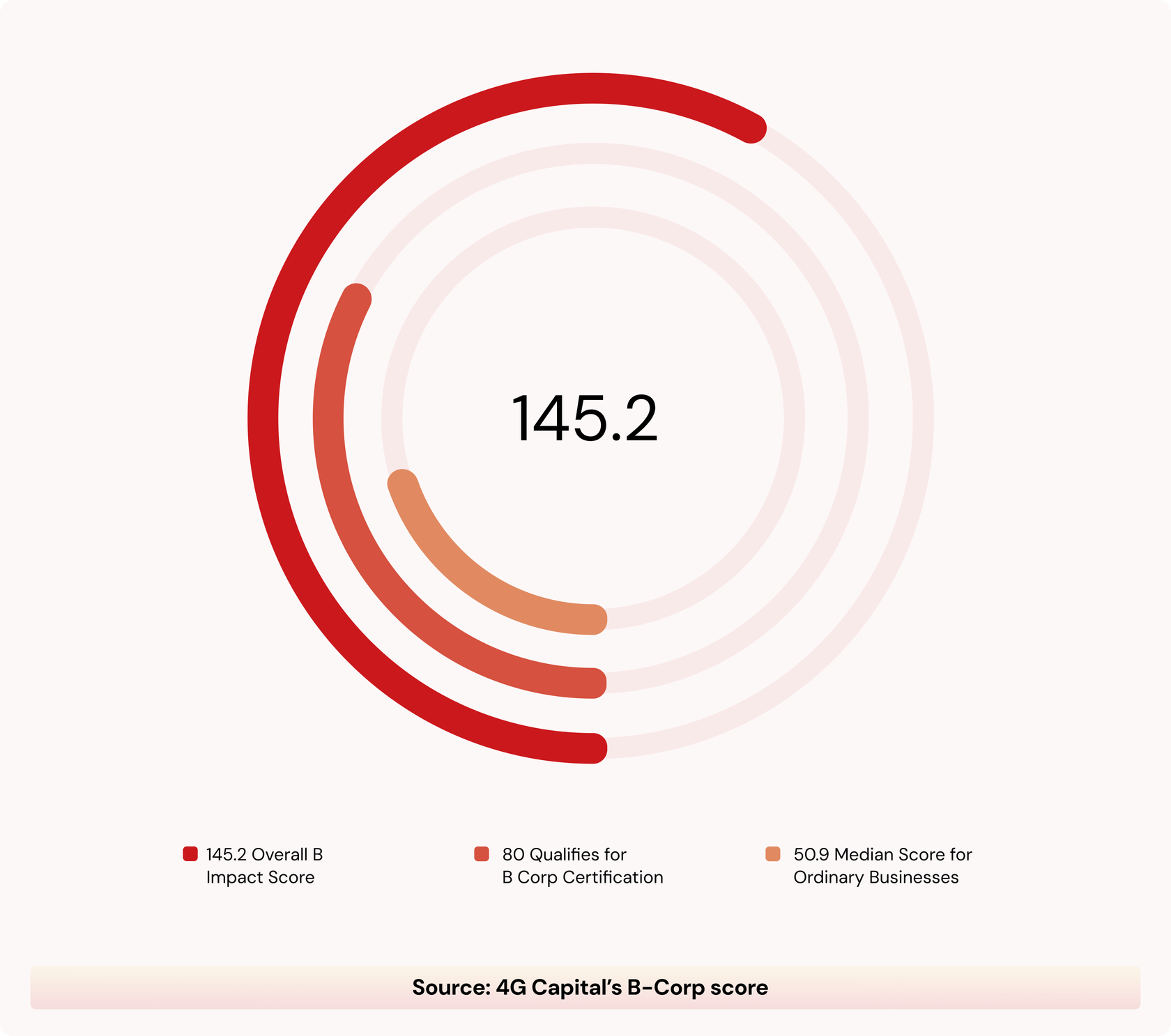
4G Capital was established in 2013 to address this gap, recognising the opportunity to support entrepreneurs at scale through accessible, short-term finance combined with practical business support – unlocking both economic participation and inclusive growth.
4G Capital aims to strengthen the resilience and growth of micro and small businesses, with a particular focus on women, by improving access to working capital and building financial capability.
The solution
4G Capital delivers unsecured, short-term working capital loans, distributed and repaid via mobile money. These are combined with structured business training and ongoing support, delivered through a “touch-tech” model that integrates digital lending with a physical agent network. Relationships are important everywhere, but especially in Africa. Technology makes 4G Capital’s solutions scalable, by standardising products and driving service quality.
This approach enables responsible lending while maintaining strong performance and scalability. The model is supported by proprietary data and credit assessment systems, improving loan allocation and repayment outcomes. The scale of impact demonstrates the effectiveness of this model:
- More than 700,000 businesses supported across Kenya and Uganda
- More than US$620 million in working capital disbursed through over 6.8 million loans
- Approximately 73% of customers are women and 81% are based in rural markets
- Around 1.4 million jobs indirectly created through business growth
- Repayment rates of over 94%, reflecting disciplined credit performance
By combining working capital with business skills training, 4G Capital has demonstrated how financial inclusion can be delivered at scale while maintaining commercial sustainability.
Why Jersey
Through its expertise in cross-border structuring, governance and fund administration, Jersey facilitates the alignment of global capital with local African opportunities. In the context of businesses such as 4G Capital, Jersey-based structures help ensure transparency, robust oversight and scalability – supporting the mobilisation of capital into underserved markets while maintaining high standards of investor protection and governance.
Conclusion
Sign up to our Africa newsletter to stay informed about our upcoming initiatives and events across the continent.