Protecting East African Wealth Across Generations

As Kenya’s family businesses enter a period of generational transition, the focus is shifting from wealth creation alone to the governance, communication and long-term planning needed to preserve it. A Jersey Finance roundtable in Nairobi brought together local and international advisers and industry professionals to explore the trends, opportunities and challenges shaping that journey across Africa.

24 Sep 2026

Africa’s entrepreneurial strength has created substantial family-owned businesses and private wealth. Yet the ability to build wealth does not automatically ensure that it can be protected, adapted and passed on successfully.

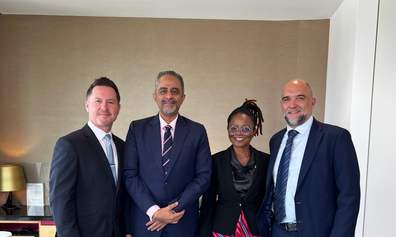
That distinction was a key focus of the roundtable. Led by Dr Rufaro Nyakatawa, Market Director – Africa, Jersey Finance, the discussion brought together professionals from legal, tax, fiduciary, banking, investment, risk and advisory backgrounds to consider how families can prepare for succession while continuing to grow.

Participants described a market that is becoming more aware of the importance of planning. Founders are considering what will happen when they step back, while members of the next generation – often educated or working internationally – are returning with different views about governance, investment and the role they want to play in the business. Advisers around the table said they are increasingly approached by next-generation family members asking for help to begin these conversations with founders. This creates an important opportunity to professionalise family businesses but it can also expose differences in values, priorities and appetite for change.

The discussion was framed around a central challenge for families across East Africa: how to protect the wealth they have created and grown and pass it successfully to the next generation.

From wealth creation to continuity 

Family-owned businesses remain a significant part of Kenya’s economy and are an important source of entrepreneurship, employment and investment across the continent. As more of these businesses get passed down from their founders to the second and third generations, succession is becoming an important business issue rather than a future administrative task.

The roundtable discussed that limited or delayed succession planning can leave families dealing with ownership disputes, fragmented decision-making and disruption to the value of an otherwise successful enterprise.

One participant described being approached by young beneficiaries who wanted to sell an inherited property without first obtaining an independent valuation or considering the longer-term implications.

The example illustrated why preparing beneficiaries is as important as putting documents and structures in place. Conversely, early planning can help preserve values, clarify responsibilities and give future generations a stronger platform from which to grow.

A family constitution was discussed as one useful governance tool. If properly developed, it can establish a common foundation for how family, business and governance matters will be managed. It should sit alongside appropriate legal, tax and fiduciary arrangements rather than replace them.

Bridging the generational divide 

Technical structures alone cannot resolve the emotional dynamics that sit behind many succession planning challenges. Founders may be reluctant to relinquish control over businesses they have spent decades building. And the next-generation family members may feel that their ideas are not heard, even where they have been encouraged to gain international experience and return to the business.

Participants emphasised the value of creating a safe forum in which each generation can discuss its ambitions and concerns.

One adviser explained how confidential questionnaires are often used to “gauge the temperature” of a family before a facilitated meeting. Responses are not attributed to individuals; instead, they help identify underlying concerns about business expansion, family employment, remuneration, control and personal expectations so these can be discussed constructively.

The value of this approach was illustrated by a family in which an unsuccessful expansion by the founding generation had made it reluctant to consider a new proposal from the next generation. Bringing the underlying experience and frustration into the open allowed both sides to understand why the discussion had stalled and begin developing a roadmap. The objective is not to favour one generation over another. It is to recognise the founder’s experience and contribution while giving emerging leaders meaningful opportunities to contribute and understand the responsibilities that accompany family wealth.

Building governance around real risks 

The conversation also placed succession planning within a wider risk-management framework.

Families naturally focus on returns and growth but sustainable businesses must also anticipate the risks that could disrupt those outcomes. Death may be the most visible succession trigger, but it sits alongside regulatory change, tax and compliance exposure, people management and climate-related pressures.

This is particularly relevant where family assets and family members span several jurisdictions. A plan developed for one set of circumstances may become unsuitable as children relocate, businesses expand or regulations evolve. Participants therefore stressed that planning should be proportionate to the family’s needs and reviewed regularly, rather than treated as a one-off transaction.

The same principle applies to asset selection. Participants considered the example of inherited rental property that had become more difficult to manage because of local infrastructure and operational challenges. Preserving an asset simply because it formed part of the founder’s legacy may not always serve the next generation if it has become exposed to material risk or inconsistent with the family’s objectives. The more useful question is whether the family’s overall arrangements remain suitable for its current circumstances and long-term ambitions.

More inclusive wealth conversations 

The roundtable highlighted the importance of involving women and other family members in succession conversations at an early stage. Participants shared examples of spouses discovering only after a death that the family held property, shares or other assets elsewhere. Where records and instructions were incomplete, families faced additional difficulty identifying and administering what had been left behind.

The discussion also considered the exclusion of women and daughters from some family businesses and inheritance decisions. These issues can become more complex where families include several households or where cultural expectations, religious inheritance principles and the law intersect. This reinforces the need for advice that reflects the composition and circumstances of each family.

Participants saw a continuing need for education and awareness, particularly among women and younger family members. As more inclusive conversations can improve understanding of the family’s assets, intentions and responsibilities, reducing uncertainty and helping beneficiaries prepare for the decisions they may one day face.

Sustainability also entered the discussion in its broadest sense. Participants noted that investment and property decisions taken today can create environmental and financial consequences for future generations. Climate resilience, land use, infrastructure and regulatory compliance should therefore form part of long-term due diligence and risk assessment where relevant.

The evolving role of the trusted adviser 

For advisers, these trends require a shift from providing an isolated product or technical answer to understanding the family as a whole. Participants cautioned against approaching a family with a pre-selected trust, jurisdiction or exit strategy before understanding what it is trying to achieve. The most appropriate solution will depend on its assets, relationships, locations, business objectives, values and tolerance for complexity. A trust, company, family office or other structure should follow that assessment; it should not be the starting point.

Trust is built over time. Participants noted that families may prefer to retain one established adviser as an anchor, even when specialist legal, tax, investment, fiduciary or risk expertise is required. One adviser described the importance of remaining alongside the family when a specialist is introduced, helping to translate the technical implications and maintain continuity rather than simply passing the client elsewhere. That places greater importance on collaboration between professionals and on advisers being candid about the limits of their expertise.

The discussion also considered how these changes are shaping investment choices. The next generation is bringing greater familiarity with professional governance and external capital.

The roundtable particularly noted growing interest among Kenyan family businesses in private equity, whether to fund expansion or provide liquidity. Therefore families that establish clear governance may be better placed to engage with such investors and assess whether those opportunities fit their long-term objectives.

Supporting internationally connected families 

The discussion reflected Kenya’s strong entrepreneurial culture and growing awareness of succession and wealth planning among family enterprises. Preserving family wealth requires open communication, effective governance, an informed understanding of risk and advisers who are prepared to collaborate around the family’s circumstances.

For families whose members, businesses and assets extend across different countries, that collaboration becomes particularly important.

Participants stressed that no single adviser can be an expert in every jurisdiction. Any jurisdictional or structural decision should therefore follow a careful assessment of the family’s objectives, relationships, assets and locations.

This is where an established international finance centre such as Jersey can add value. Jersey offers political and economic stability, a respected regulatory environment, a robust legal framework and an experienced community of trust, corporate, investment and other professional services specialists. This depth of expertise enables Jersey-based providers to work alongside families and their existing advisers, helping to coordinate arrangements across jurisdictions while maintaining a clear focus on the family’s long-term objectives.

The discussion in Nairobi reinforced the value of planning well before succession becomes an immediate concern. Starting conversations early, involving family members and advisers, and reviewing arrangements regularly can help families prepare for change and manage wealth responsibly across generations.

Sign up to our Africa newsletter to stay informed about our upcoming initiatives and events across the continent.

Key Contact