- Jersey Finance
- |7 Jul 2026
Rethinking Resilience at Work
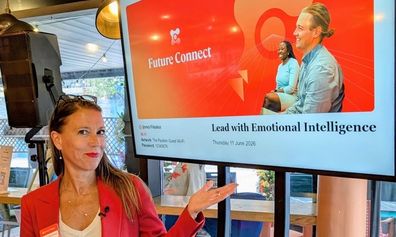
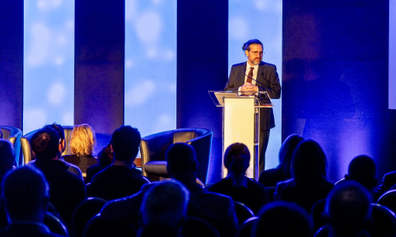
In today’s fast-paced finance industry, resilience isn’t just a nice-to-have, it’s essential. At our recent Future Connect event, Recipes for Resilience, this theme was brought to life in a practical and engaging session delivered by executive and transformational coach, Chris Stephens.
Drawing on decades of experience in both financial services and high-performance coaching, Chris explored how professionals can better manage their energy, sustain performance under pressure and build habits that support long-term wellbeing. His session encouraged attendees to rethink traditional approaches to productivity shifting the focus from managing time to managing energy.
23 Apr 2026
Meet the Speaker: Chris Stephens
Chris built a 30-year career in the finance industry as a manager, coach and mentor before retraining as an Executive and Transformational Coach and an Endurance Sport Coach. He now works with individuals and teams to help them grow, find purpose and perform at their best. Motivated by a strong desire to help people realise their potential, Chris’s coaching approach is grounded in empathy, integrity and constructive challenge. By listening carefully and asking thoughtful questions, he encourages deeper reflection, resilience and self-belief, helping clients navigate challenges with greater clarity and confidence. His coaching style has been shaped by decades of leadership in finance alongside more than ten years coaching in a high-performance sporting environment. Chris has significant experience supporting individuals and teams to build empowerment, confidence and collaboration through a purposeful, values-driven approach.

Resilience isn’t something you suddenly find in difficult moments - it’s something you build every day through the habits, values and choices that shape how you show up.Chris StephensExperienced Coach
Why Energy Matters More Than Time
Practical ways to recharge your energy
Physical energy
- Prioritise quality sleep with a proper wind-down routine
- Incorporate regular movement such as cardiovascular exercise
- Eat regularly to maintain energy levels
- Take short breaks every 90–120 minutes
Mental energy
- Reduce distractions during high-focus work
- Schedule time to check and respond to emails
- Tackle your most important task early in the day
Emotional energy
- Use breathing techniques to manage stress
- Show appreciation to colleagues to build positive interactions
- Reframe challenging situations by considering other perspectives
Spiritual energy
- Spend time on activities that feel meaningful and fulfilling
- Align your daily actions with your core values
- Protect time for what matters most outside of work
Understanding pressure and performance
Too little pressure
can lead to low motivation
Optimal pressure
can enhance focus and productivity
Too much pressure
can lead to stress, fatigue and burnout
Creating your own ‘recipe for resilience’
What are the key factors that help me stay resilient?
Which of these do I already have in place?
Where are the gaps?
Final thoughts
Event photos
Grant Thornton
Grant Thornton is a leading Channel Islands professional services practice. With a combined staffing strength of more than 300 people, we are the Channel Islands member of Grant Thornton International, one of the world’s leading international networks of accounting and consulting firms.